
TBA21 Thyssen-Bornemisza Art Contemporary partners with UreCulture to develop pioneering regenerative & sustainability reporting practices for the arts sector
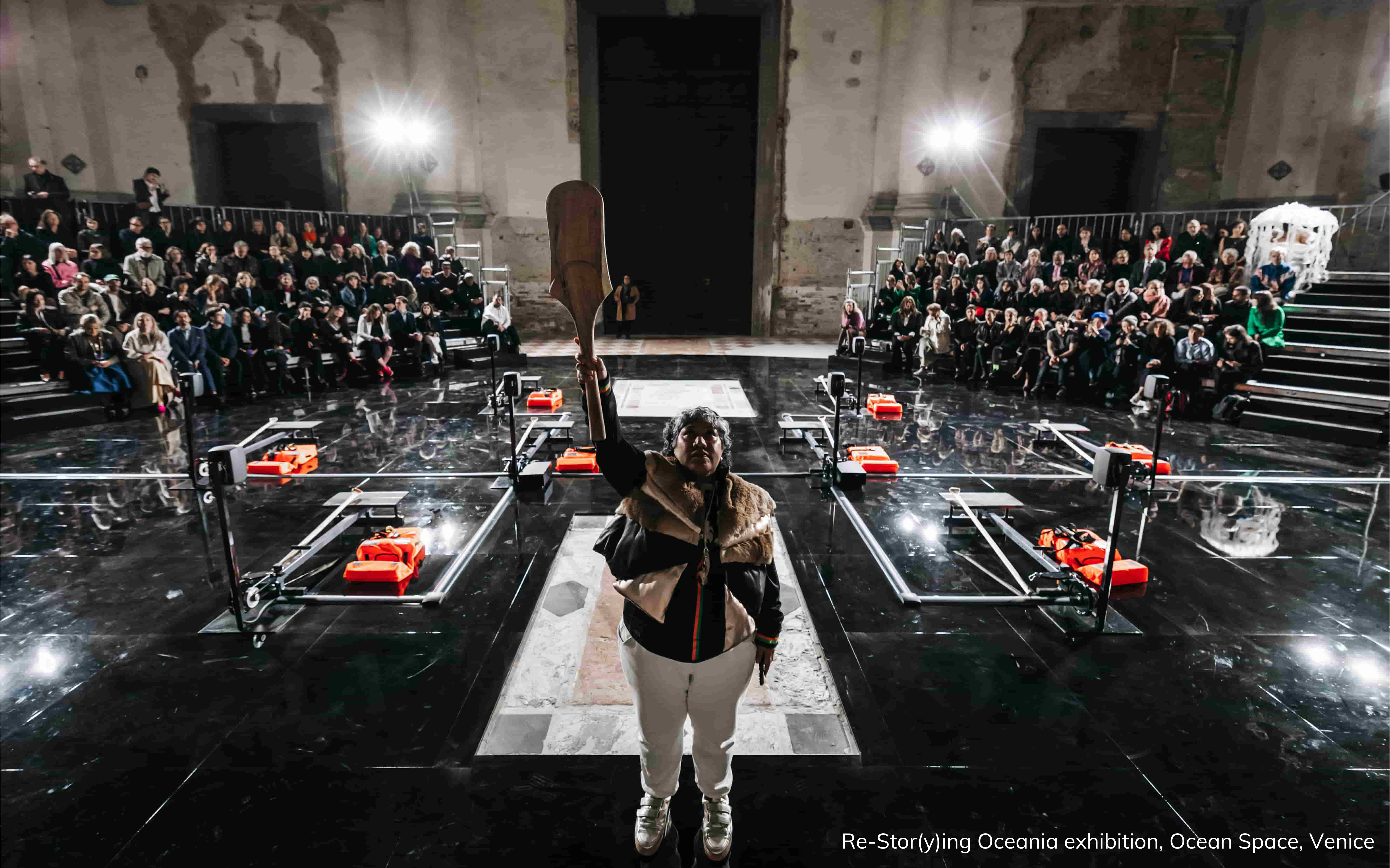
In 2024 UreCulture collaborated with TBA21 Thyssen-Bornemisza Art Contemporary to develop innovative case studies on the ecological and social impact of the TBA21 collection, starting with the sculpture series of the artist Claudia Comte and the exhibition Re-Stor(y)ing Oceania that took place in the Venice venue, Ocean Space. The results of this project were two EcoSocial Impact Reports that TBA21 shared with its stakeholders and global audience. The collaboration between TBA21 and UreCulture is a continuation of UreCulture having carried out TBA21 baseline carbon footprint, which shows how arts organisations can progress in their sustainability mission.
The TBA21 EcoSocial Impact Reports:
– Analysed the entire life cycle of both the sculpture series and the exhibition and took into consideration both regenerative and negative impacts across environmental and social dimensions
– Are based on the European Commission’s European Sustainability Reporting Standards ESRS as a general approach and framework.
– Provide a guideline for art organisations to think and act differently, driven by regenerative values and innovative practices under the guidelines of a voluntarily adopted comprehensive sustainability reporting framework such as the ESRS.
– Provide a tool for TBA21 to lead by example in embodying sustainability strategies and actions in their practice

“TBA21 has set a new standard in the arts in how to lead the way to build a regenerative future through culture-based action guidelines by comprehensive internationally recognised sustainability frameworks” — Nicky Ure, Founder UreCulture —
“We engaged in this process to honestly and transparently evaluate our practices. The results demonstrate the positive impact of these artistic works, while also highlighting areas in our practice that need improvement to minimize our ecological footprint.” — TBA21 —
Key Project Insights from the regenerative leadership of TBA21
The opportunity for sustainability leadership from cultural actors:
– Cultural actors have the transformative power to shift mindsets, influence practices, and inspire change in policies within the sector. All cultural actors today are presented with the opportunity to lead by example in creating change.
– Storytelling and mediation of our current planetary and social crisis, as well as active storytelling of the guidelines of how to do better for the planet and people in artistic and organisational practices. The ESRS are also an inspiring story and guideline to share.
The Importance of adopting sustainability standards and frameworks in the arts:
– Adopting sustainability standards beyond compliance requirements, inspired by the ready-made framework and guidelines that the ESRS shares in order to do better for people and the planet. A voluntary approach we should all be aiming for.
– Data collection and assessment of the environmental and social impacts of artistic practices can help measure, mitigate, and also maximise regenerative impact of the activity of the arts sector.
– Using comprehensive qualitative and quantitative metrics to measure the arts’ social impact can strengthen the case for culture’s role in sustainable development supporting the inclusion of culture as a new SDG in the post 2030 Agenda.
“UreCulture I can’t thank you enough for the brilliant idea to apply the ESRS to our case studies – I wanted to look at the negative – and the positive- and you found the best way! I so hope we can inspire other cultural institutions to walk the way with us – apply the ESRS standard and find a regenerative approach together” — Simone Sentall, Head of Collection at Thyssen-Bornemisza Art Contemporary —