
Hashel Al Lamki: Pioneering Sustainability in Artistic Practice
In celebration of the Sharjah Biennial 16, we are proud to highlight the remarkable sustainability practices of Hashel Al Lamki as part of our ongoing collaboration.
Hashel’s participation in this landmark event features two thought-provoking artworks: Part-Time Lovers (2025) and Maat (2025). Through his artistic practice, Hashel amplifies the urgent call of our planet, urging both the cultural sector and audiences to listen closely to Earth’s cry.
Part-Time Lovers invites us to rekindle our connection with the natural world, reflecting on the delicate balance that sustains life—the fragile yet resilient nature of our ecosystem. In both artworks, Hashel incorporates ancient, cross-cultural techniques and materials sourced from natural resources, deepening the connection between tradition, sustainability, and the natural world.
Hashel Al Lamki: A connection to nature translated into artistic narrative and environmental actions
In an era where environmental consciousness is more critical than ever, artists have the power to lead societal change. Abu Dhabi-based artist Hashel Al Lamki is at the forefront of this movement, seamlessly integrating sustainability into his narratives, artistic practice, and exhibition design. His work is guided by a comprehensive sustainability policy developed and managed by UreCulture, focusing on measuring, reducing, and reporting environmental impacts, including carbon emissions and material circularity.
As an Active Member of the Gallery Climate Coalition (GCC), Hashel contributes to its mission to reduce the art sector’s CO2 emissions by at least 50% by 2030 and promote zero waste. Through his membership, he reports his carbon footprint and implements green actions to reduce environmental impact, reinforcing his commitment to meaningful change.
We are proud to partner with artists like Hashel Al Lamki, who create art with a net-positive effect on communities, people, and nature by embedding environmental responsibility at the core of their work.
 “My aspiration is that, as an artist, I can influence others to think and act with sustainability and mindfulness as guiding principles. Artists hold a unique position to lead by example as agents of change.” — Hashel Al Lamki, 2024
A Connection and Responsibility Towards Nature
Hashel’s work explores the intricate connections between humanity and nature, emphasising the urgent need for responsible practices that protect the environment and maintain ecological balance. Recognising the detrimental impact of excessive consumption and resource depletion, he strives to ensure that his contribution extends beyond artistic themes to tangible actions that reduce his environmental footprint.
Find out more about Hashel’s work and exhibitions
Putting Environmental Commitment Into Practice
Climate Action
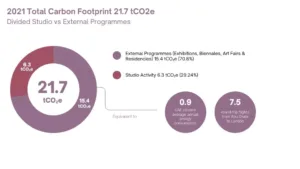
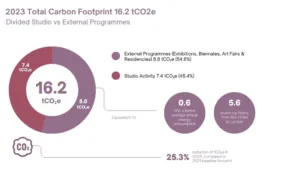
– Measuring and reporting baseline carbon footprint for 2021 and subsequent footprints for 2023 and 2024
Circular Economy Principles
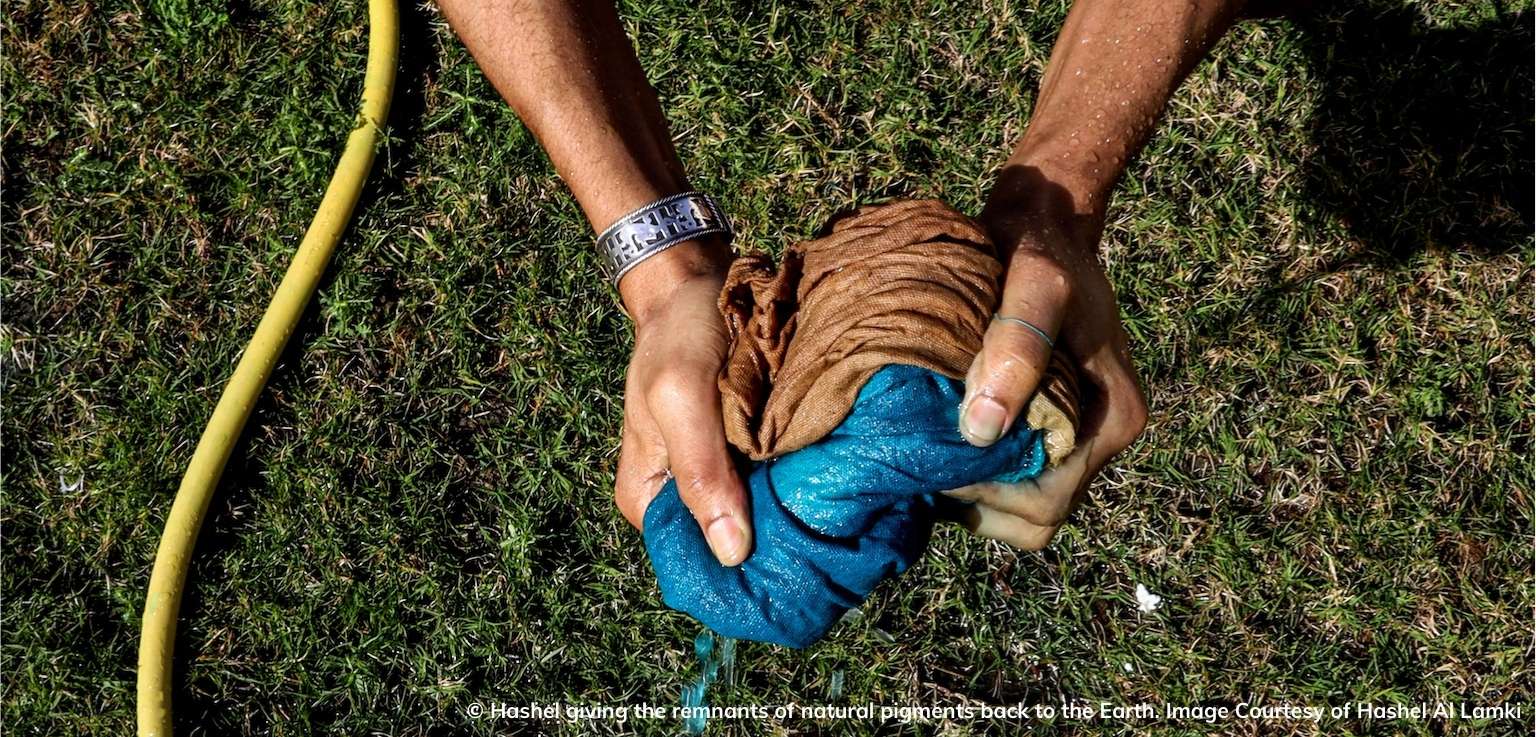
– Using natural pigments sourced from the MENA region and handmade, non-toxic materials
– Reducing waste by applying circular economy principles to exhibition design, artwork production, and publication materials
– Incorporating upcycled and non-toxic elements in his work
During his exhibition Gateway: Maqam at Manarat Al Saadiyat, Hashel repurposed waste materials that would have otherwise ended up in landfills. His sculptures feature discarded materials, such as sawdust from carpentry workshops. He frequently opts for repurposed palettes instead of building new plinths, uses old bed sheets for canvases, collects sawdust from his studio floor to craft sculptures, and reuses shipping crates as plinths. He also sources works locally to minimise shipping-related emissions.
Systemic Collaborations and Influence
UreCulture has played a pivotal role in supporting Hashel’s sustainability journey. They have provided comprehensive consulting on his studio’s carbon footprint assessments (2021, 2023, and 2024), sustainability policy and guidelines, and an annual sustainability report. UreCulture also delivered educational sessions on climate change, the circular economy, social impact, and regenerative principles. In 2024, they designed and developed Hashel’s new artist website, featuring dedicated pages to transparently share his sustainability efforts and carbon footprint.
Part of this initiative is funded by his gallery, Tabari Artspace, highlighting the growing support for sustainability within the art world.
By engaging in and sharing this in-depth sustainability work, Hashel has the potential to influence the entire arts ecosystem of partners and suppliers who support his practice.
Leading by Example for a Regenerative Future
Hashel Al Lamki exemplifies how artists can lead in the sustainability movement. By communicating his sustainability practice and annual carbon footprint on his website, he not only reduces his environmental impact but also inspires others in the creative sector to follow suit. His work is a testament to the power of art as a catalyst for environmental awareness and action, paving the way for a more sustainable future through the arts.